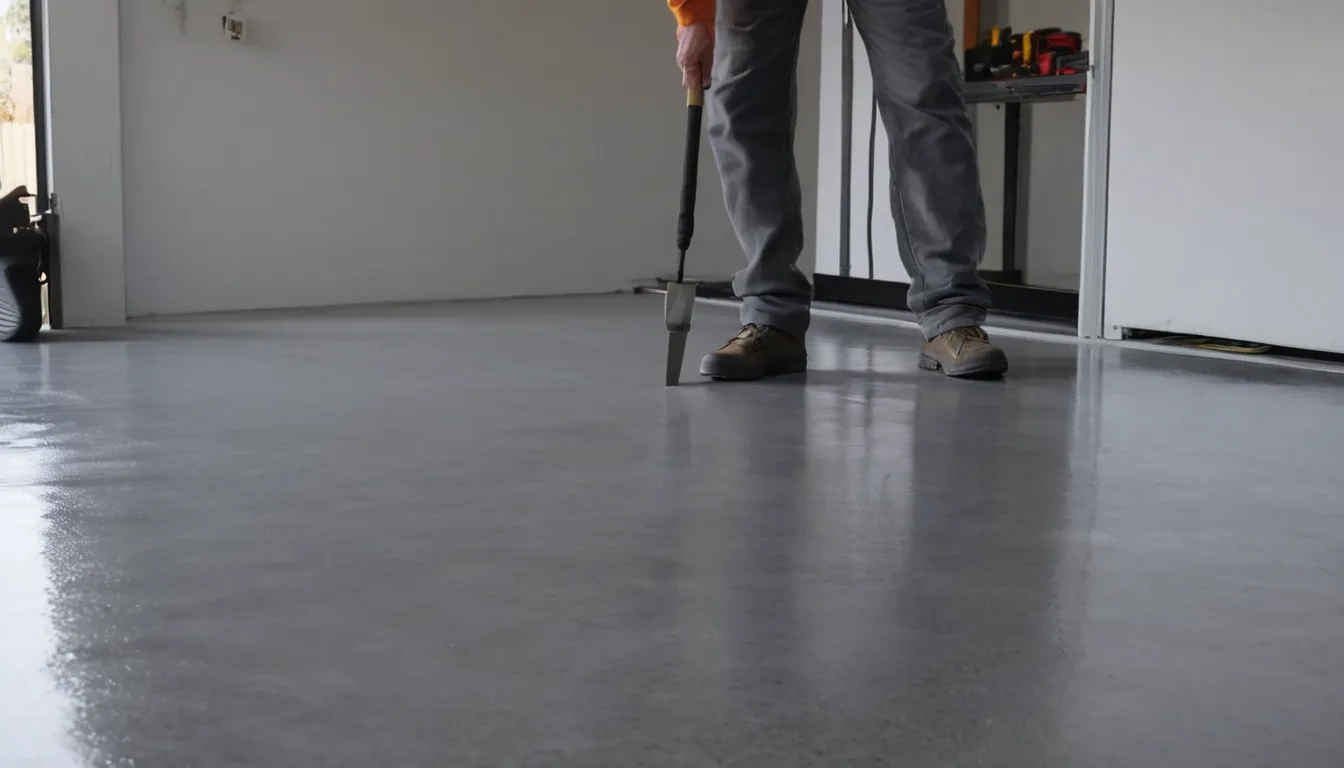
Bare concrete looks tough, but it is porous. Oil, salt, water and foot traffic soak in and wear it down. Stains come first. Dust and chips follow. Cracks widen with each cold winter and wet spring. A coating seals the surface and gives it a finish that is easier to clean.
Trashtheatre Floor Coating is a referral service. We connect homeowners in the Lake Forest area with independent providers who coat garages, basements, patios, porches and shop floors. The provider inspects the slab, explains the prep, and gives a written quote. Use this page to learn the order of events, then take the next step.
Concrete Showing Wear? Start Here
First, the slab. Walk it today. Look for stains, dust, pits, cracks and damp patches. Bare concrete is porous. It soaks up whatever lands on it, and the damage builds in a clear order. This page follows that order, from fastest to slowest.
The First Hours: Spills Soak In
Oil, antifreeze and road salt start wicking into the pores within hours. Blot the spill and cover it with an absorbent. A stain that sits overnight is much harder to lift. A coating needs a clean surface, so a provider may degrease the spot before anything else.
The First Days: Moisture Shows Up
Next, check for damp. Tape a small square of plastic to the floor and leave it for a couple of days. Moisture under the plastic means vapor is rising through the slab. Coatings can peel over damp concrete, so tell the provider what you saw.
The First Weeks: Dust and Chipping
Then the surface itself starts to give. Fine white dust, rough patches and small chips are signs the top layer is breaking down. Foot traffic and tires speed this up. Each week of wear adds to the prep work later.
Season by Season: Cold, Heat and Storms
Deep frost makes water in cracks expand, and the cracks grow. Hot, humid summers pull moisture through the slab. Hard storms and spring flooding can leave a floor wet and muddy. Cure time counts, so plan the work for a stretch of mild, dry weather.
Request a callback to check provider availability before the next weather swing.
Step One: Inspect the Slab
Before you call, note these four things:
- Size of the floor in square feet
- Cracks wider than a pencil line
- Damp spots or white, chalky residue
- Old paint or sealer that is peeling
Photos help a provider give a closer quote.
Basement Floor Coatings
Full basements with sump pumps need extra care. Moisture is the main question. A provider may test the slab and suggest a moisture-tolerant product. Ask how the coating handles damp, and what to do after a flood. Cracks near the sump pit usually get repaired first.
Patio and Porch Coatings
Outdoor slabs face sun, rain, ice and de-icing salt. Look for a coating made for outdoor use, with a slip-resistant texture. Porches on older frame houses often have hairline cracks. Ask the provider how those will be filled and how the edges will be sealed against water.
Workshop and Shop Floors
Shops see dropped tools, hot tires, grease and heavy benches. The coating needs to resist impact and chemicals. A thicker system may suit a busy shop. Tell the provider what you roll across the floor and what you spill, so the product matches the use.
Laundry Rooms, Porches and Other Spaces
Laundry rooms, mudrooms and enclosed porches on bungalows and ranch homes often have bare slabs. A coating makes them easier to mop. Hardwood flooring installation is a different trade, so ask about it separately if you plan it upstairs. Epoxy garage floors have their own page here.
How the Work Is Done
Here is the usual order a provider follows:
1. Inspect the slab and test for moisture. 2. Grind or etch the surface so the coating can grip. 3. Fill cracks and patch pits. 4. Apply the primer and base coat. 5. Add color flakes or a clear topcoat, if chosen. 6. Let it cure before use.
Cure Time Counts
A coating may feel dry long before it is hard. Light foot traffic comes first. Cars, furniture and heavy tools wait longer. Cold or humid air can stretch the schedule. Ask the provider for the exact dates and write them down.
Coating vs. Sealing
A sealer soaks into the concrete and slows stains. It is thin and usually needs redoing. A concrete coating sits on top as a film, adds color and gives stronger wear protection. Sealing may fit a floor with light use. Coating fits floors that take daily abuse.
Request an estimate to compare both options for your slab.
Custom Floor Finishes
Concrete coating can come in solid colors, flake blends or metallic looks. Custom floor finishes cost more than a plain coat. Ask to see a sample board in your own light. Pick a texture that is safe when wet.
Ask, Then Compare
Ask each provider the same questions:
- How will you prep the slab? A good answer names grinding, not just a wash.
- What about moisture? A good answer includes a test.
- What is the cure schedule? A good answer gives dates for foot and vehicle traffic.
- What does the warranty cover? A good answer is written down, with limits spelled out.
Red Flags
- No mention of surface prep
- A price with no written detail
- Pressure to sign on the spot
- Vague answers about cure time
Walk away if two or more show up.
Living With Your Coated Floor
After cure, care is simple. Sweep often. Mop with mild cleaner. Wipe spills when they happen. Use mats under hot tires if the provider suggests it. Avoid harsh scrapers on the surface.
Next Step
Inspect, call, compare, schedule. Request a callback to speak with a provider about your slab, or send the request form.
What's Included
Surface Prep and Repair
Grinding, crack filling and patching so the coating grips a clean, sound slab.
Base and Topcoat
A primer, a color or flake layer and a clear finish matched to your space.
Moisture Checks
Providers can test for damp so the product chosen suits the conditions below the floor.
Cure Schedule Details
A clear plan for when you can walk, park or move heavy items back onto the floor.
Typical Concrete Coating Costs
Prices vary by size, slab condition, product and local labor. The ranges below are typical U.S. figures only. Always ask for a written quote that lists prep, materials and cure time before you agree to anything.
| Item | Typical range | Notes |
|---|---|---|
| Basic coating, per sq ft | $3 – $7 | Includes light prep on a sound slab |
| Two-car garage | $1,500 – $4,000 | Size and finish change the total |
| Basement floor | $2,500 – $6,000 | Moisture steps can add to the price |
| Patio or porch | $1,500 – $4,000 | Outdoor-rated, slip-resistant products |
| Crack and pit repair | $200 – $800 | Depends on how many and how wide |
| Decorative flake or metallic | $5 – $12 | Per sq ft, on top of prep |
How It Works
Inspect Your Slab
Note stains, cracks, damp spots and floor size. Take a few photos to share with a provider.
Call or Request
Request a callback to check provider availability, or send the estimate request form.
Compare Written Quotes
Ask each provider the same questions and compare prep, product and cure time.
Schedule the Work
Choose a provider, confirm dates and plan for the cure period.
Why Call Trashtheatre Floor Coating
Ordered, Practical Guidance
Each step is laid out in sequence, so you know what to check and when.
Local Providers
Independent providers in our network work near you and know area weather.
Plain Questions
A short list of questions helps you compare providers on equal terms.
No Obligation
Request an estimate and decide later. There is no pressure to book.
Other Services
Need concrete floor coating services in Lake Forest?
Request a callback to check provider availability, or send the request form. Calls are answered Mon-Fri 9am-9pm ET.
Phone lines open Mon-Fri 9am-9pm ET · No obligationConcrete Floor Coating Services FAQ
- How long does a concrete floor coating last?
- It depends on prep, product and use. Many coatings hold up for years in a garage or basement. Heavy traffic, moisture and poor prep shorten that. Ask the provider what the written warranty covers.
- Can you coat a damp basement floor?
- Sometimes. A provider should test the slab for moisture first. Some products handle damp better than others. If vapor is high, the provider may suggest a different system or extra steps.
- What is the difference between sealing and coating concrete?
- A sealer soaks in and slows stains. A coating forms a film on top, adds color and resists wear better. Sealing suits light use. Coating suits floors with daily traffic.
Request a callback
Request a callback to check provider availability, or send the request form. Calls are answered Mon-Fri 9am-9pm ET.
Phone lines open Mon-Fri 9am-9pm ET · No obligation