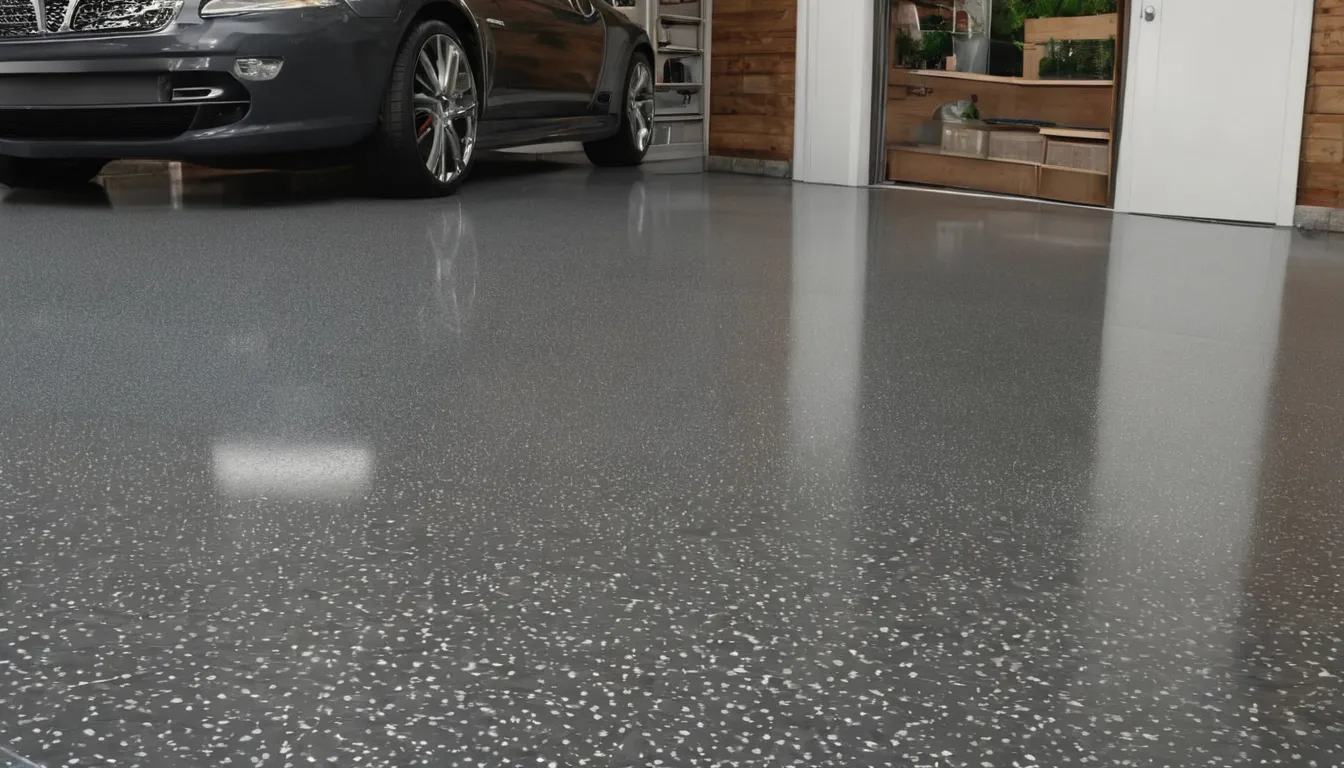
Polyaspartic Floor Coating for Your Garage
Polyaspartic is a hard, clear-or-colored floor coating that cures much faster than standard epoxy. That speed matters if your garage is your daily entry, your workshop, or the only place the cars can go. The coating also holds up well to sunlight, which can turn some epoxy yellow.
Trashtheatre Floor Coating is a referral service. We connect homeowners in the Lake Forest area with independent providers in our network who apply polyaspartic systems. Cure time counts, so this page walks through the timeline, the options, and the questions to ask. Use it as a checklist, then request an estimate and compare what you hear.
Need Your Garage Back Quickly?
Polyaspartic is often chosen for its short cure window. Many providers can finish a garage in a day or two, depending on the system and the weather. Epoxy can take longer before you can park on it.
Here is the short path:
1. Inspect the slab. 2. Request a callback to check provider availability. 3. Compare written quotes. 4. Schedule around the forecast.
First, the Slab
The coating is only as good as the concrete under it. Before you contact anyone, look for these:
- Cracks wider than a credit card edge
- Oil stains that darken the concrete
- White, powdery salt marks
- Damp spots after rain or snowmelt
- Flaking from an old paint or sealer
Write down what you see and take photos. A provider can use them to give a more useful first answer.
What Bare Concrete Does Over Time
Concrete is porous. It drinks in whatever lands on it.
First hours: Oil, antifreeze and road salt start to soak in. Wipe spills up fast.
First days: Stains set. Moisture rises from below if the slab is damp.
First seasons: Frost heave and freeze-thaw cycles widen small cracks. Hot, humid summers bring mildew smells and dusting.
A sealed surface slows all of this. That is the main reason people look at a concrete coating.
How Polyaspartic Differs From Epoxy
Both are two-part coatings. Both bond to prepared concrete. The differences show up in timing and wear.
- Cure time: Polyaspartic sets faster, so there is less waiting.
- Sunlight: It resists yellowing better, which helps in garages with big windows or open doors.
- Flexibility: It handles temperature swings well.
- Work window: The fast set gives the installer less time to fix mistakes, so experience matters.
Epoxy garage floors still make sense for many budgets and slabs. Ask the provider why they suggest one over the other.
Full Polyaspartic or Hybrid System?
A full system uses polyaspartic for the base, color and topcoat. A hybrid uses epoxy as a base layer and polyaspartic on top.
The hybrid can cost less and fills slab flaws well. The full system usually cures faster overall. Ask the provider which fits your slab, your budget and your timeline.
The Installation Steps
Expect this order of work:
1. Prep. The concrete is ground with a diamond grinder to open the pores. 2. Repair. Cracks and chips are filled and leveled. 3. Base coat. Applied and sometimes covered with decorative flakes. 4. Clear or topcoat. This layer adds wear and chemical resistance. 5. Cure. Foot traffic comes first. Vehicles come later, as the provider advises.
Prep is the step that decides how long the floor lasts. Skipped grinding is a common reason coatings peel.
Weather and Timing
Slab temperature, humidity and moisture all affect the job.
- Cold winters: Many products need the slab above a set temperature. Some polyaspartic products tolerate cooler conditions than epoxy, but ask for specifics.
- Hot, humid summers: Humidity can cause bubbles or haze if the coating is applied wrong.
- Spring flooding and damp basements: A wet slab can push a coating off. Ask about a moisture test.
- Storm season: Rain blowing into an open garage during application can ruin a coat.
Spring and fall often give steadier conditions. Book early for those seasons.
Where Polyaspartic Works Well
- Attached and detached garages
- Workshops and hobby spaces
- Basement floors and utility rooms, once moisture is checked
- Patios and porches that get sun
- Laundry rooms and mudrooms with concrete floors
It is made for concrete. Hardwood flooring installation is a separate trade, so confirm the provider handles concrete coating before you book.
Colors and Flake Blends
Decide in this order:
1. Pick a base color. Gray and tan hide dirt well. 2. Choose full flake, partial flake or solid color. 3. Check samples in your garage light, not just the showroom. 4. Ask about a slip-resistant additive near doors.
Many providers offer custom floor finishes, such as metallic looks or blended flakes. Ask to see a finished sample on real concrete.
Caring for a Polyaspartic Floor
- Sweep or dust mop weekly.
- Wash with mild soap and a soft mop.
- Skip harsh scrubbing pads and acidic cleaners.
- Wipe road salt slush in winter so it does not dry into a film.
- Use mats under jack stands and heavy tool chests.
Ask the provider for the cure and care notes in writing.
Questions to Ask, and Good Answers
Ask, then compare. Use these:
- How do you prep the slab? A good answer names diamond grinding, not just acid etching.
- Which product, and how many coats? Look for a brand name and clear layers.
- Do you test for moisture? The answer should be yes.
- When can I walk and park on it? Expect specific times, with weather caveats.
- What does the warranty cover? Get the terms on paper.
Red Flags
- A price with no written scope
- No mention of grinding or moisture
- Pressure to sign on the spot
- Vague product names
- Large deposits before any work is scheduled
Request a callback to check provider availability, then compare at least two written quotes.
What's Included
Slab Grinding
Diamond grinding opens the concrete so the first coat can grip and hold.
Crack Repair
Cracks and chips are filled and leveled before any coating goes on top.
Color and Flake Coats
A base color, with optional decorative flakes, gives the floor its finished look.
Clear Topcoat
A hard clear layer adds wear, stain and UV resistance.
Typical Polyaspartic Floor Coating Price Ranges
Prices vary by slab size, condition, product and region. These are typical U.S. ranges for a standard garage. Treat them as a starting point and get a written quote that lists every step.
| Item | Typical range | Notes |
|---|---|---|
| Two-car garage, full polyaspartic | $3,000 – $6,500 | Fast cure, higher material cost |
| Hybrid epoxy and polyaspartic | $2,500 – $5,000 | Epoxy base, polyaspartic topcoat |
| Per square foot, installed | $5 – $12 | Depends on system and flakes |
| Crack and chip repair | $150 – $800 | Rises with damage level |
| Moisture mitigation primer | $300 – $1,200 | Needed for damp slabs |
| Metallic or custom finishes | $8 – $15 per sq ft | Extra labor and materials |
How It Works
Inspect Your Slab
Note cracks, stains, damp spots and old sealer. Take photos before you contact anyone.
Call and Compare
Request a callback to check provider availability, then collect at least two written quotes.
Confirm the Scope
Check the prep method, products, coats, cure times and warranty terms.
Schedule Around Weather
Pick a stretch with steady temperatures and low humidity for the cure.
Why Call Trashtheatre Floor Coating
Shorter Wait Times
Faster curing can mean fewer days without a usable garage, depending on the system and weather.
UV Stability
Polyaspartic resists yellowing in sunny garages better than many epoxy coatings.
Tough Surface
A hard coat stands up to tires, tools, road salt and spills.
Independent Providers
Providers in our network do the work, so you can compare their quotes.
Other Services
Need polyaspartic floor coating in Lake Forest?
Request a callback to check provider availability, or send the request form. Calls are answered Mon-Fri 9am-9pm ET.
Phone lines open Mon-Fri 9am-9pm ET · No obligationPolyaspartic Floor Coating FAQ
- How long does polyaspartic take to cure compared to epoxy?
- Polyaspartic often cures in hours instead of days. Many providers allow foot traffic the same job window and vehicles a bit later. Exact times depend on the product, temperature and humidity, so ask for a written cure schedule.
- Is polyaspartic better than epoxy for a garage floor?
- It depends. Polyaspartic cures faster and resists sunlight yellowing. Epoxy often costs less. A hybrid system combines both. A provider can recommend one after checking your slab.
- Can polyaspartic be applied in cold weather?
- Some products tolerate cooler slabs better than epoxy, but every product has temperature limits. Ask the provider for the minimum slab and air temperature and how they handle damp or frosty concrete.
Request a callback
Request a callback to check provider availability, or send the request form. Calls are answered Mon-Fri 9am-9pm ET.
Phone lines open Mon-Fri 9am-9pm ET · No obligation